
Giving back
Supporting the Daintree
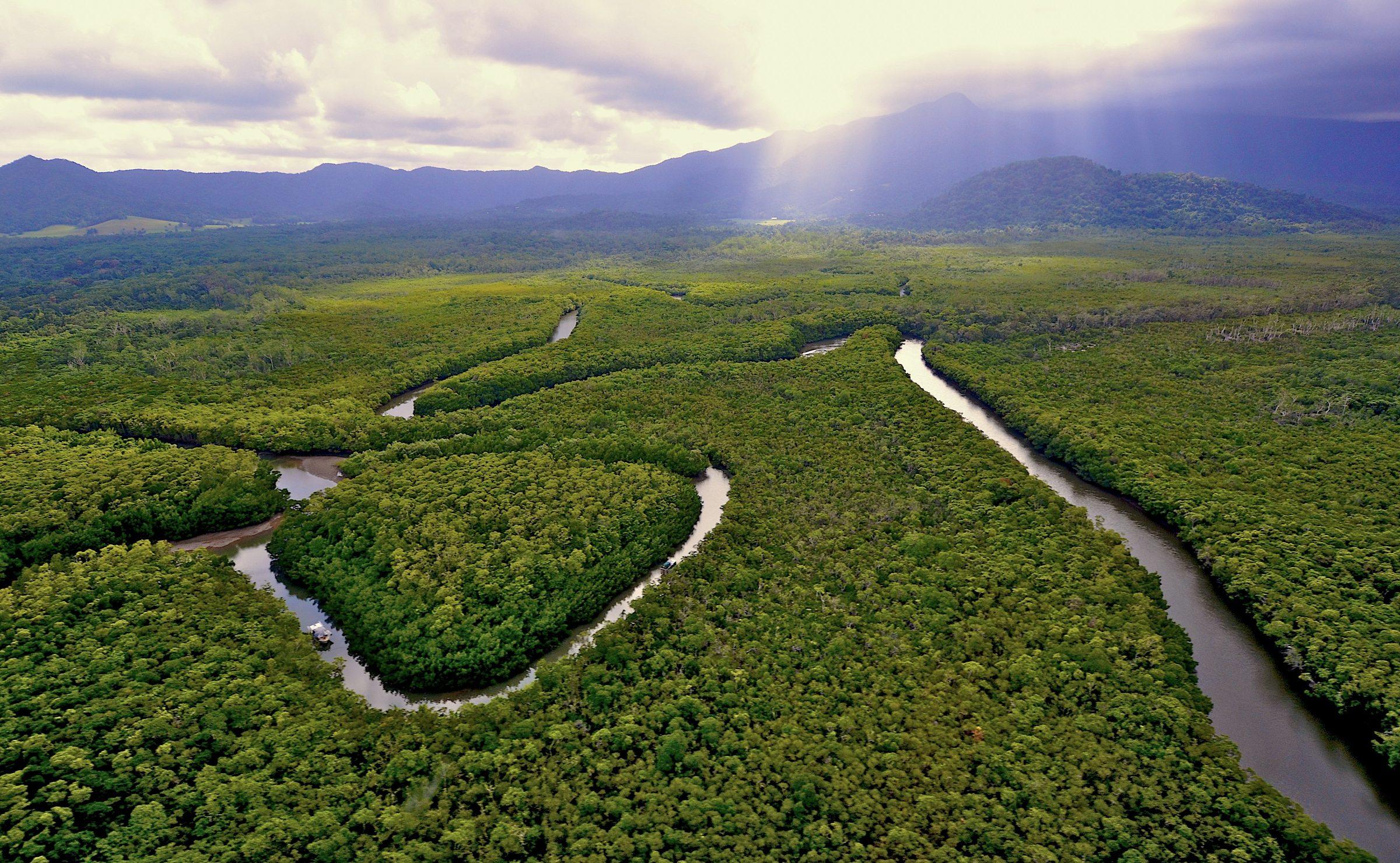
AC Wise contributes 2% of all its revenue, excluding GST, to Rainforest Rescue. Contributions are paid quarterly during our partnership.
Our contribution supports Rainforest Rescue’s conservation work, including land protection, native plant propagation, restoration and ongoing care.
This sits alongside our focus on helping people make better air conditioning decisions, including consideration of energy efficiency and responsible refrigerant management.
Why an air conditioning business gives back
Air conditioning keeps Australian homes comfortable through long, hot summers. It also has an environmental footprint, and we would rather say so plainly than step around it.
The Australian Government's YourHome guide says heating and cooling together use the largest amount of energy in the average Australian home, around 40 per cent of household energy use [1]. The refrigerants inside many air conditioners are hydrofluorocarbons (HFCs). The Department of Climate Change, Energy, the Environment and Water says HFCs do not harm the ozone layer but are potent greenhouse gases, that one kilogram of the refrigerant R410a has the same greenhouse impact as 2 tonnes of carbon dioxide, and that refrigerants that are not handled properly contribute emissions worth 2 million cars on the road in Australia each year [2].
A contribution to conservation does not cancel that footprint out, and we do not claim it does. The footprint is shaped by decisions made before and after an installation: the right size of system, an efficient model, a licensed installer who handles refrigerant correctly, and regular servicing. That is the work AC Wise exists to support, and it is why our guides cover sizing, energy labels, running costs and refrigerant licensing.
Giving back is a separate commitment, and a deliberate one. An industry that sits this close to household energy use should put something back into the natural world. For us, that means contributing 2 per cent of our revenue, excluding GST, to Rainforest Rescue and its work in the Daintree.
Why the Daintree
The Daintree sits within the Wet Tropics of Queensland. The Wet Tropics was inscribed on the UNESCO World Heritage List in 1988 after meeting all four natural World Heritage criteria, a distinction the Wet Tropics Management Authority says very few places hold. The World Heritage Area spans approximately 895,000 hectares and contains some of the oldest continuously surviving tropical rainforests on Earth [3].
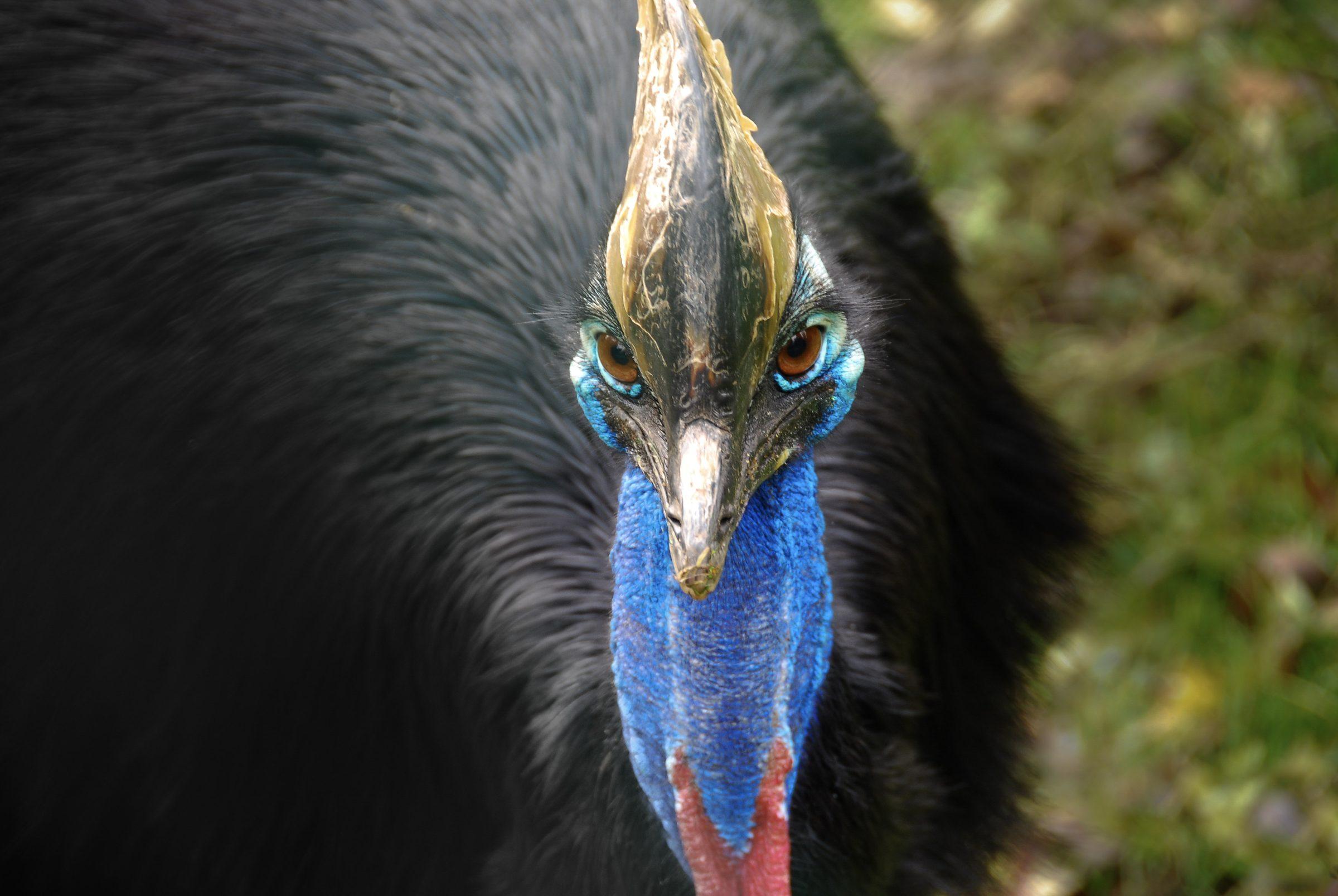
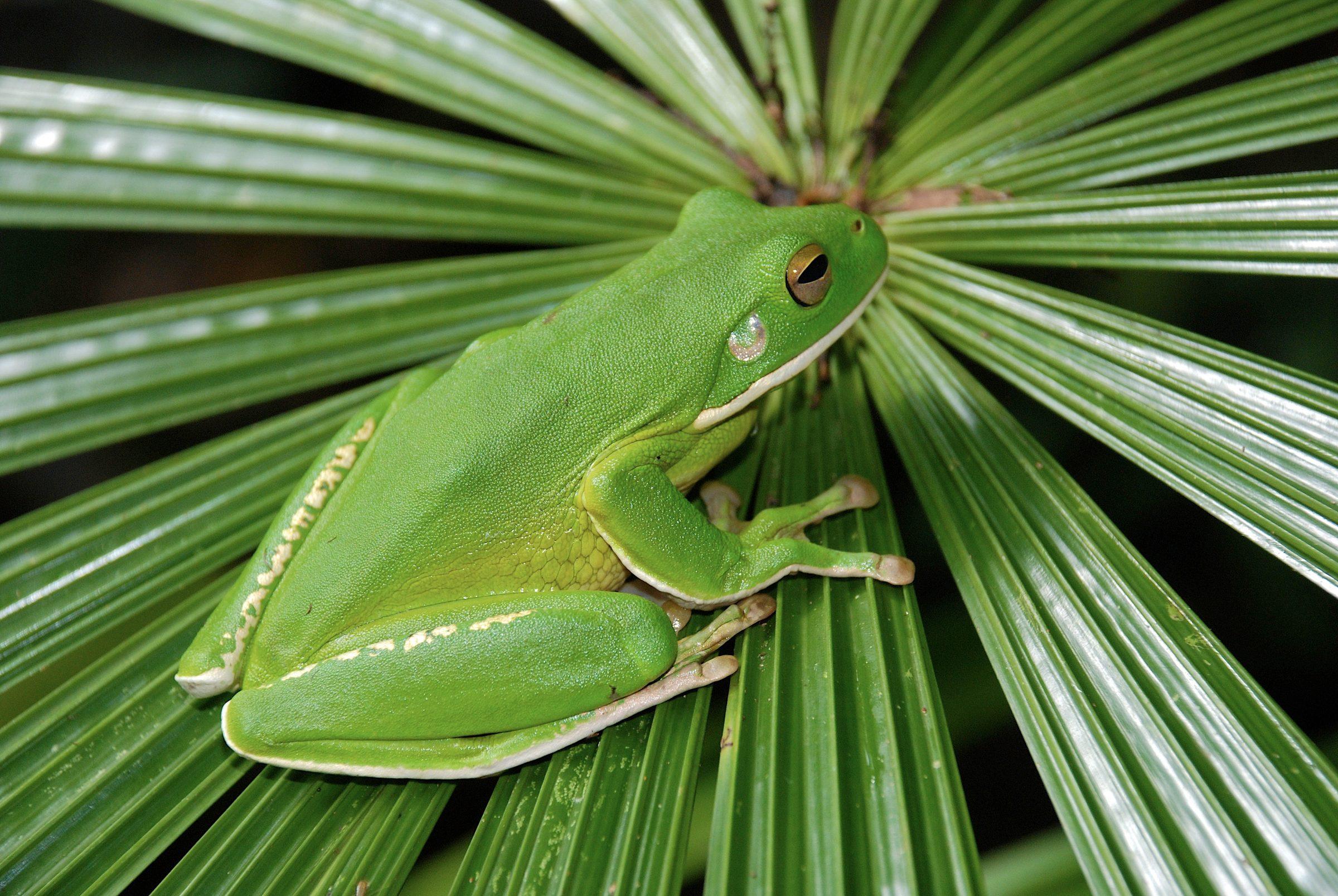
It holds relicts of the Gondwanan forest that covered Australia and part of Antarctica 50 to 100 million years ago. According to the Authority, all of Australia's unique marsupials and most of its other animals originated in rainforest, and their closest surviving relatives are still found in the Wet Tropics, along with hundreds of species found nowhere else on Earth [3].
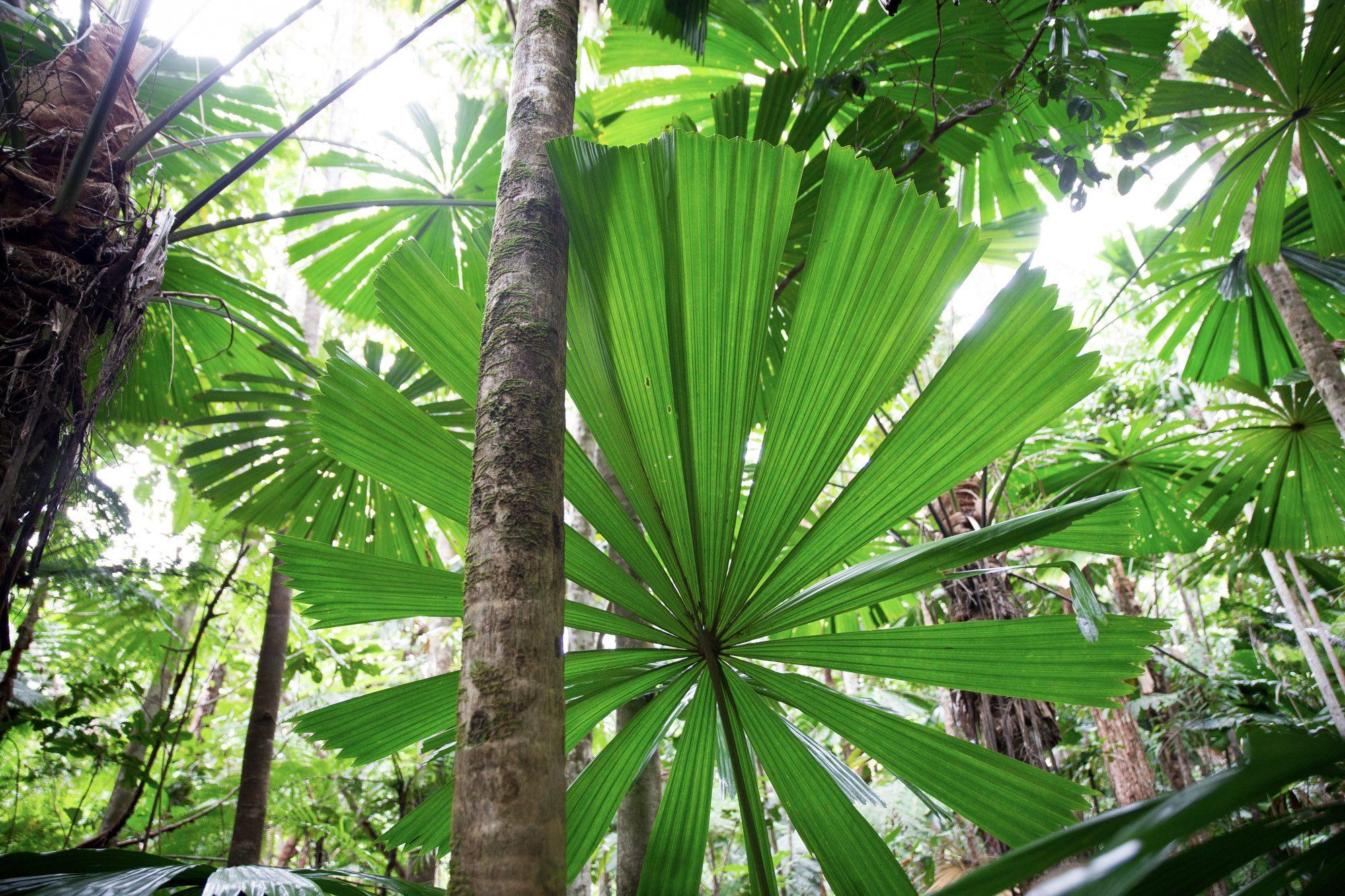
It is also under pressure. Rainforest Rescue notes that over three-quarters of Australia's rainforests have been cleared since European settlement, and that the Daintree's coastal lowlands were subdivided into around 1,100 blocks about a decade before World Heritage listing, many of them still unbuilt [4]. Its work includes buying rainforest blocks so they are protected permanently, replanting cleared land and running a nursery that grows plants from local seed. It says it has planted over 200,000 rainforest trees in the Daintree lowlands over the past fifteen years [5].
How protecting the Daintree benefits people
A rainforest in Far North Queensland can feel a long way from a home in Adelaide or Brisbane. Here is what protecting it means for people. These outcomes belong to the Eastern Kuku Yalanji, to governments and to conservation groups, and our contribution supports one part of that work.
Country is cared for by the people who belong to it. On 29 September 2021 the Eastern Kuku Yalanji people and the Queensland Government signed an agreement under which Daintree National Park and three other national parks are jointly managed by the Eastern Kuku Yalanji and the Government. The Queensland Government described it as recognising their right to own and manage their Country, to protect their culture and to share it with visitors [6].
Traditional owners are leading tourism on their Country. The Queensland Government says the Bamanga Muruku Visitor Centre at Cape Tribulation is already boosting tourism in the area and giving the Eastern Kuku Yalanji a platform to share their heritage through Indigenous-led tourism [7].
Forest and reef are linked by water. Rainforest Rescue explains that an intact rainforest acts as a filter, so that only freshwater runs off into the catchment, and that the rainforest and the reef are linked by water [5]. Along the coast between the Daintree River and Cedar Bay, the Wet Tropics Management Authority describes tropical rainforest, white sandy beaches and fringing offshore coral reefs side by side [3]. Clean water running from forest to reef matters to the people who live, work and visit along that coast.
There is a living record of how life developed. The Authority describes the Wet Tropics as one of the most complete and diverse living records of the evolution of land plants, and a source of information for interpreting fossils found elsewhere in Australia [3]. Knowledge like that is shared by everyone, long after any one visit.
What our contribution does and does not do
Our contribution supports Rainforest Rescue's work. It does not make an air conditioner carbon neutral, and it is not a reason to buy a system you do not need. It is a long-term commitment to a place that matters to the people who live there, and to many who may never visit.
If you want to lower the footprint of your own home, the practical steps are in our guides. Start with how a system is sized.
Our partner

AC Wise is a Canopy level partner of Rainforest Rescue.
Sources
Checked 21 October 2026.
- [1] Australian Government, YourHome: Heating and cooling
- [2] Department of Climate Change, Energy, the Environment and Water: Refrigeration and air conditioning, information for consumers
- [3] Wet Tropics Management Authority: World Heritage listing
- [4] Rainforest Rescue: The Daintree Rainforest
- [5] Rainforest Rescue: Rainforest to reef
- [6] Queensland Government ministerial statement: 160,000 hectares returned on path to reconciliation (2021)
- [7] Queensland Department of the Environment, Tourism, Science and Innovation: Preserving Paradise, handback of Daintree Rainforest land (22 June 2026)
Ready to start?
Requesting quotes is free, with no obligation to accept a quote or proceed with installation.
Get AC Quotes